

Phoran
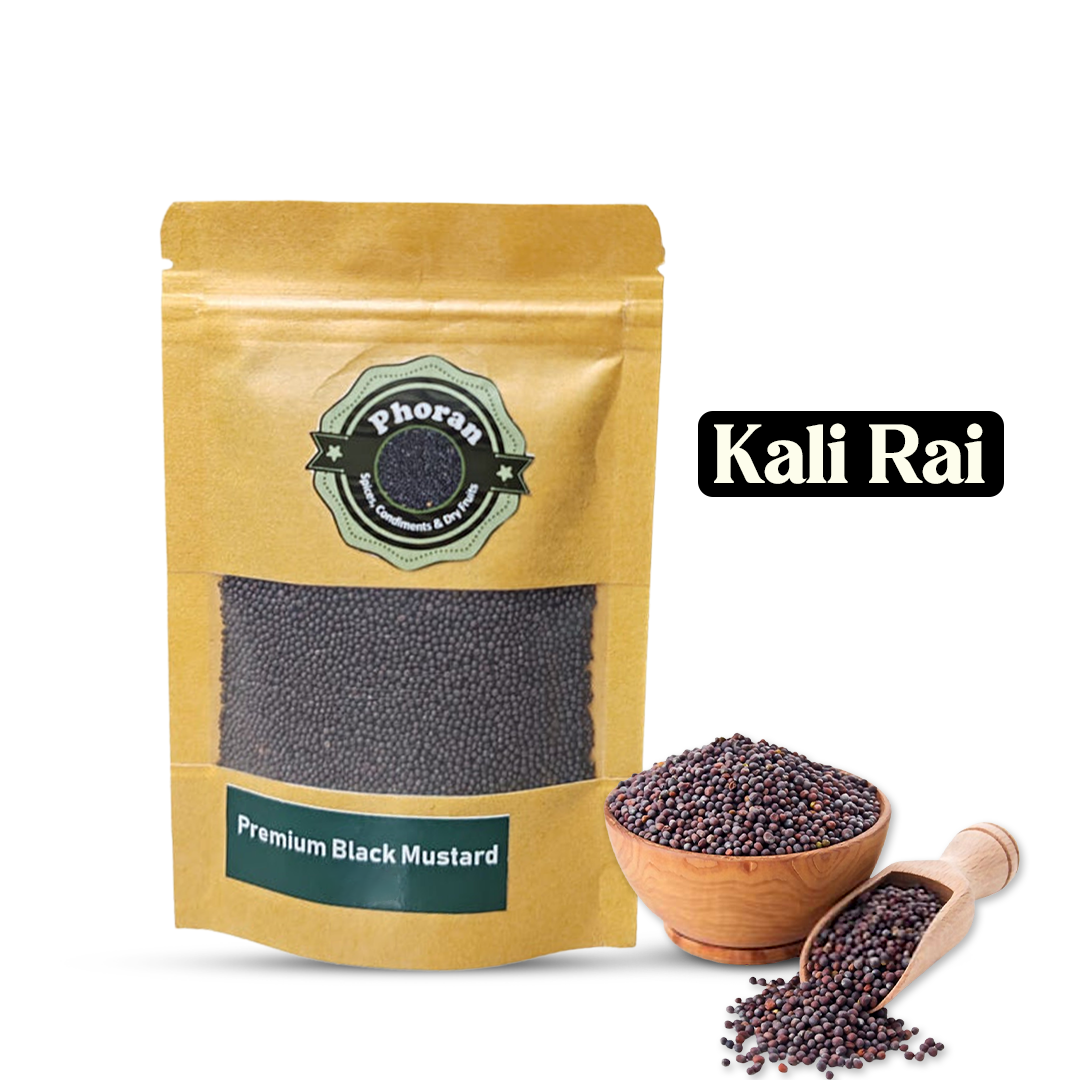
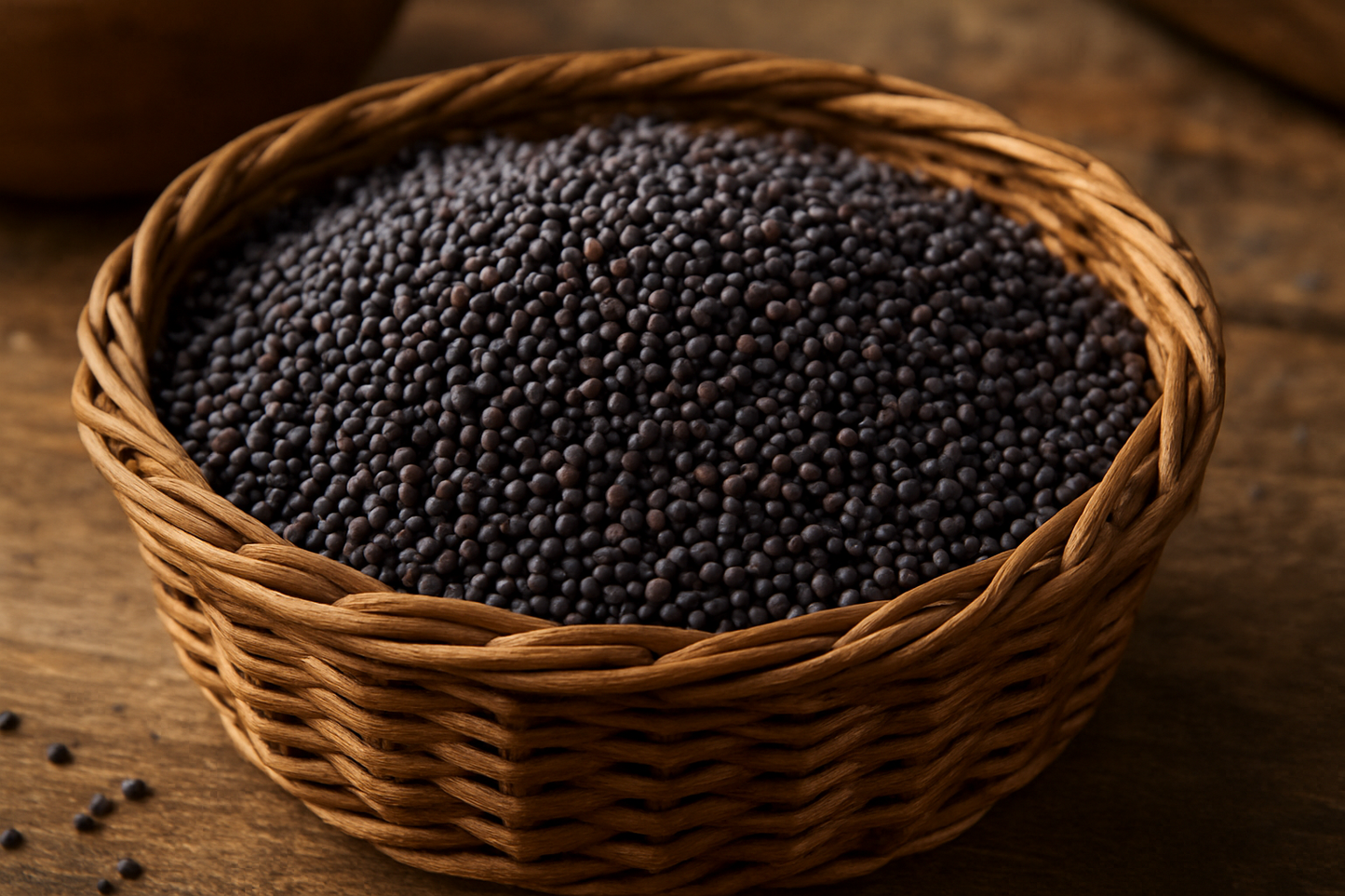
Black Mustard Seeds (Rai) – Whole Spice, High Pungency
Black Mustard Seeds (Rai) – Whole Spice, High Pungency
Couldn't load pickup availability
Black Mustard Seeds (Rai) — The First Spice Into the Pan
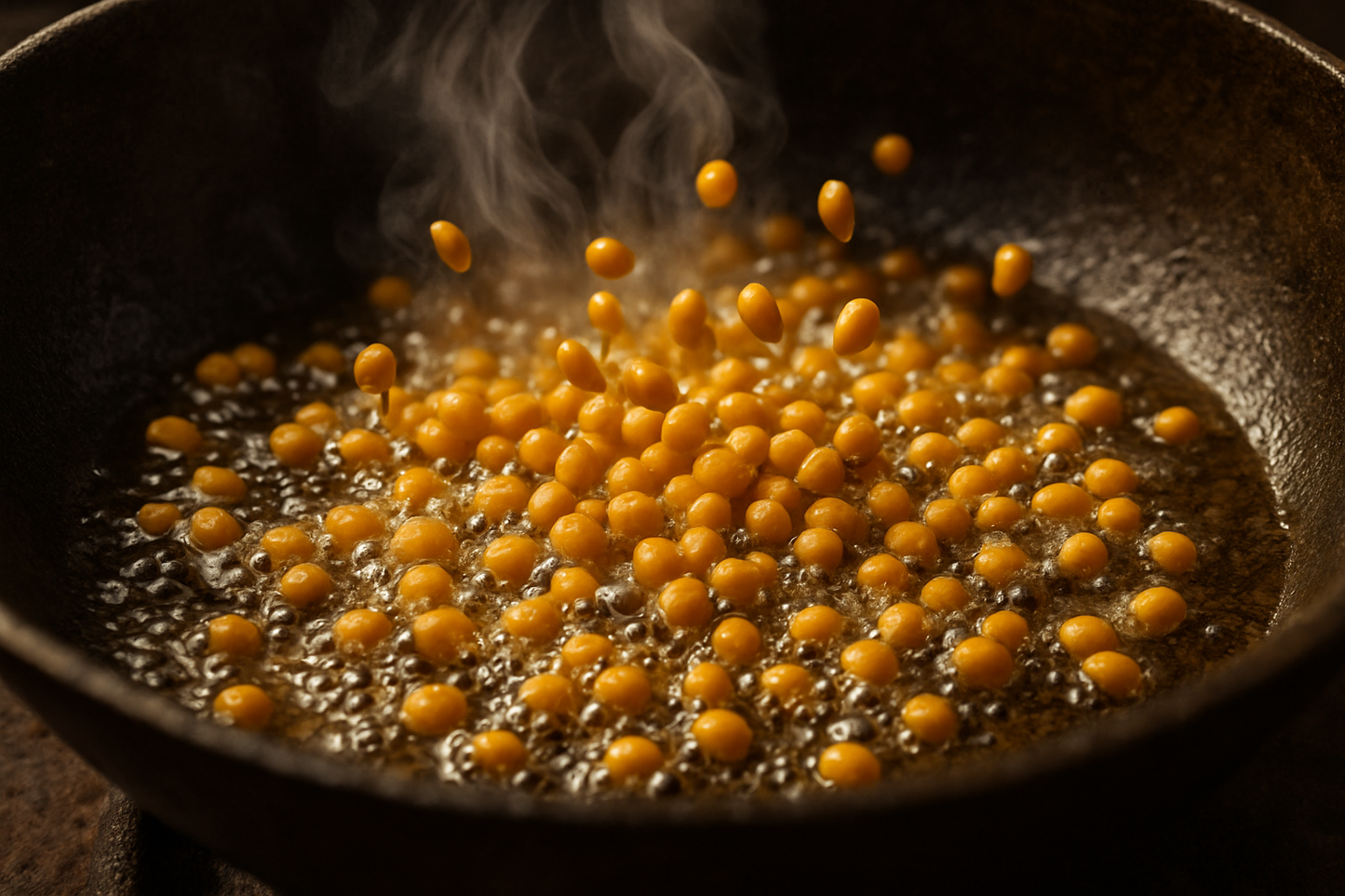
In South Indian, Maharashtrian, and Bengali cooking, black mustard seeds are almost always the first spice added to hot oil. They crackle and pop within seconds, releasing a sharp, nutty, pungent flavour that becomes the aromatic base of the entire dish. Phoran sources clean, pungent rai with high pungency and even seed size.
Why Phoran Black Mustard Seeds?
- Uniform seed size: Even crackling in hot oil — no unpopped seeds left behind
- High pungency: Seeds with real bite, not flat or stale
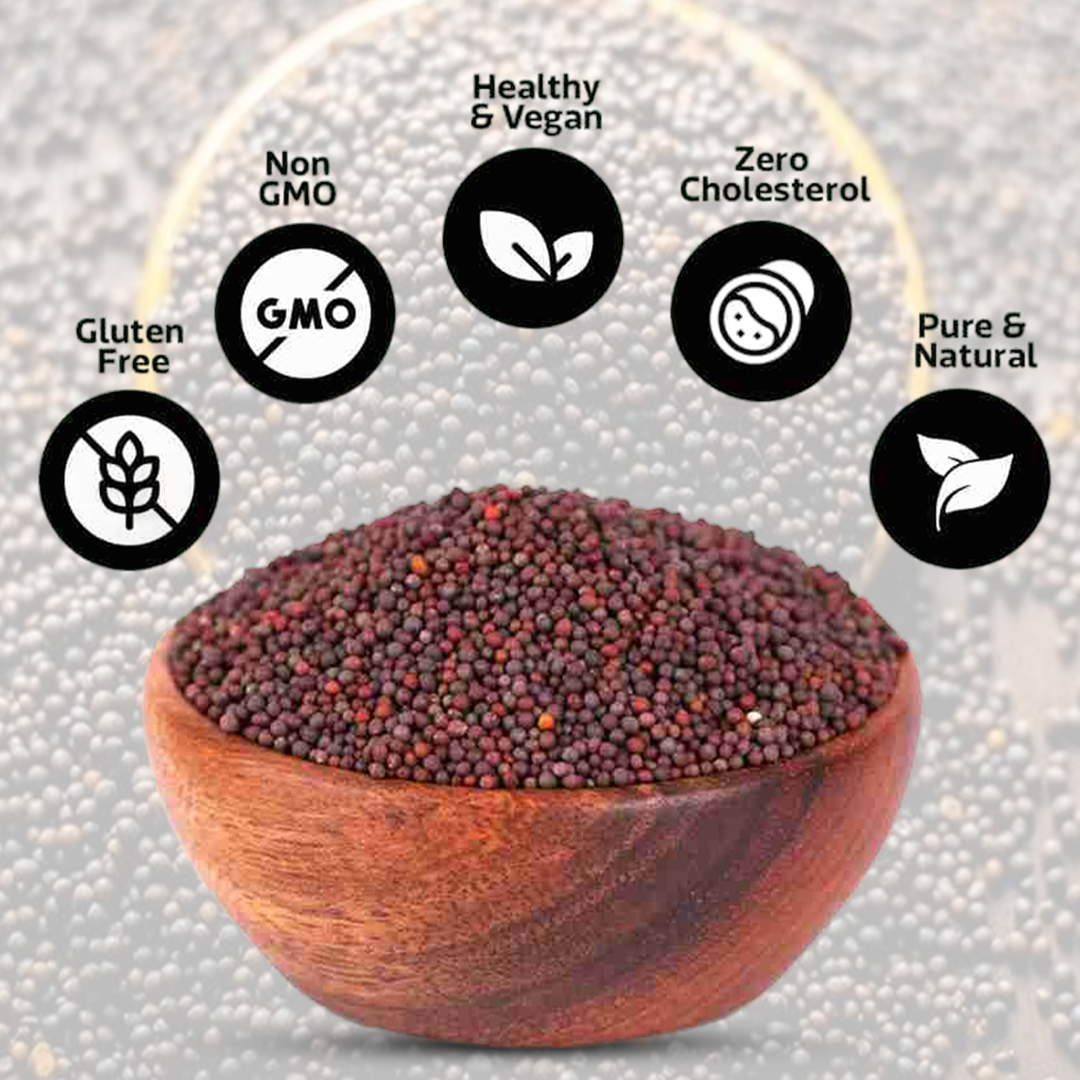
- Clean, debris-free: No stones or stem matter
- Resealable zip-lock pouch: Stays fresh and pungent between uses
How to Use Black Mustard Seeds
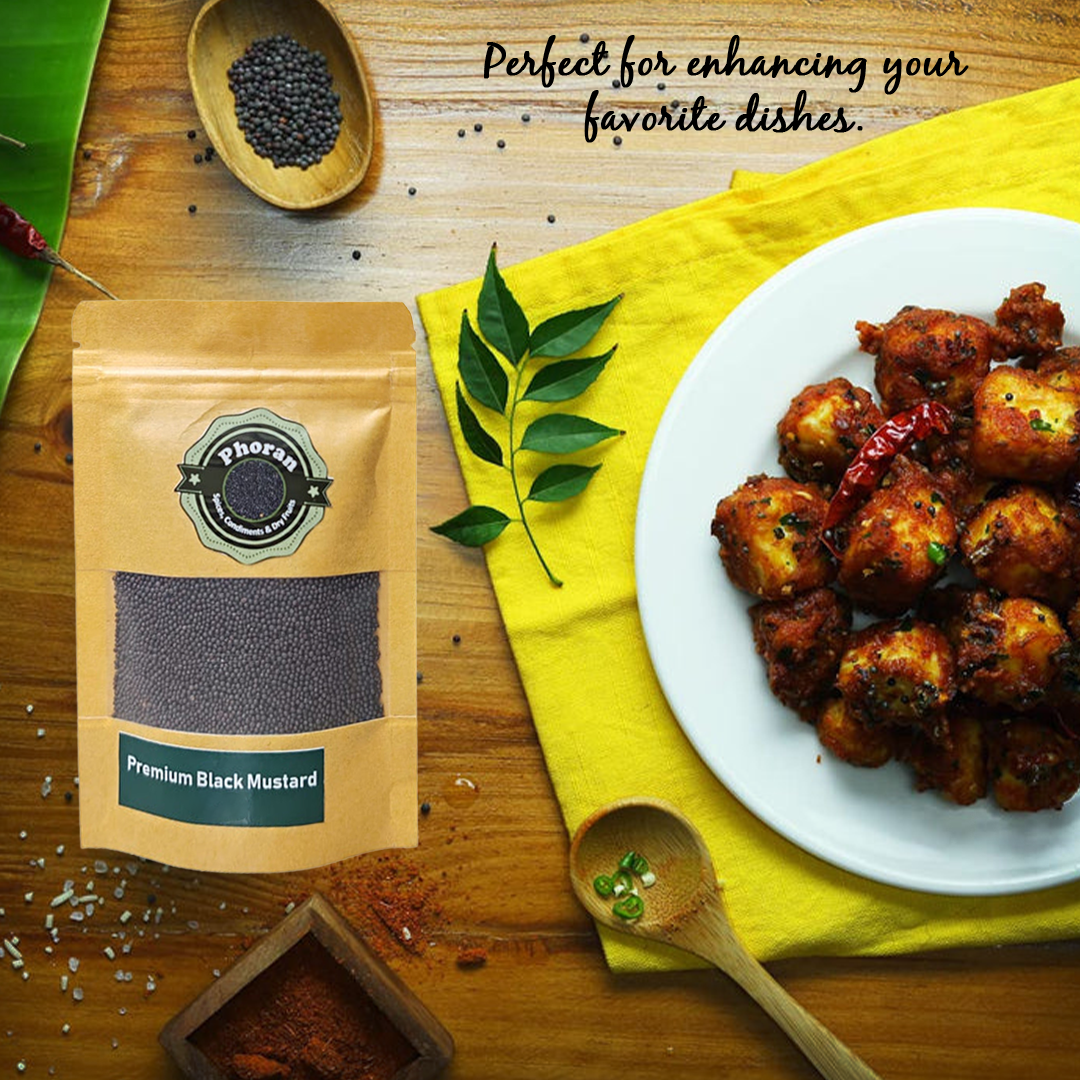
- Tadka/tempering: Heat oil until smoking, add rai, wait for crackling (5–10 seconds), then add remaining spices immediately
- Dal, sambar, rasam: The foundational tempering for South Indian lentil dishes
- Sabzi (dry vegetables): Start any dry vegetable stir-fry with mustard seeds in oil
- Pickles (achaar): Key ingredient in mango pickle and mixed vegetable pickle
- Chutneys: Tempered rai added to coconut chutney and tomato chutney
- Poha and upma: Essential in the tempering for these breakfast dishes
Black Mustard vs Yellow Mustard Seeds
Black mustard seeds (rai) are smaller, sharper, and more pungent than yellow mustard seeds (sarson). Black rai is used in tempering and South Indian cooking; yellow sarson is used in North Indian pickles, mustard oil production, and Bengali cooking. They are different spices and not interchangeable in most recipes.
Regional Names for Mustard Seeds
Rai / Sarson (Hindi) = Kadugu (Tamil) = Sasive (Kannada) = Avalu (Telugu) = Mohri (Marathi) = Sorse (Bengali).
Storage: Airtight container, away from heat and light. Whole seeds retain potency for 2–3 years. Origin: India (Rajasthan/Madhya Pradesh).