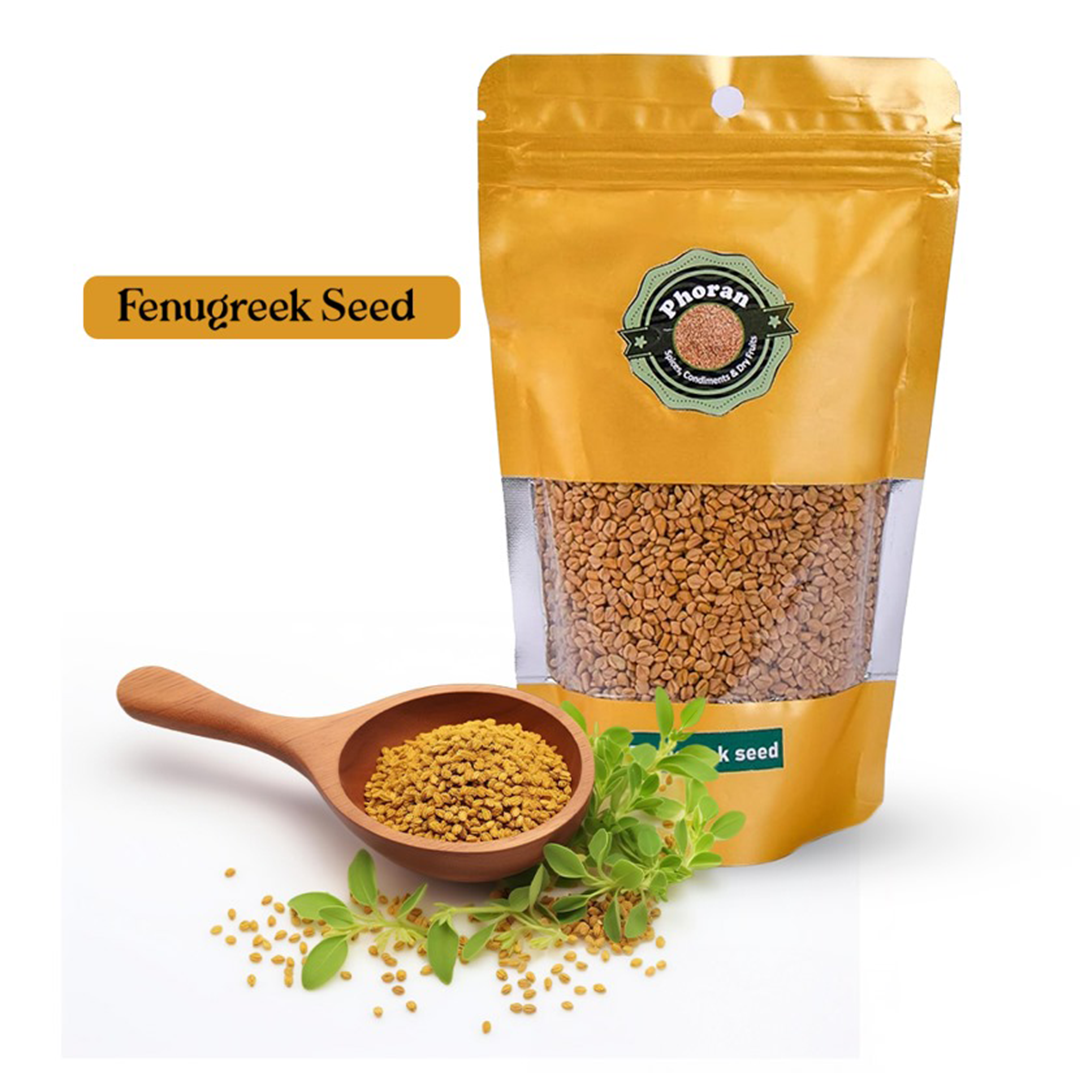
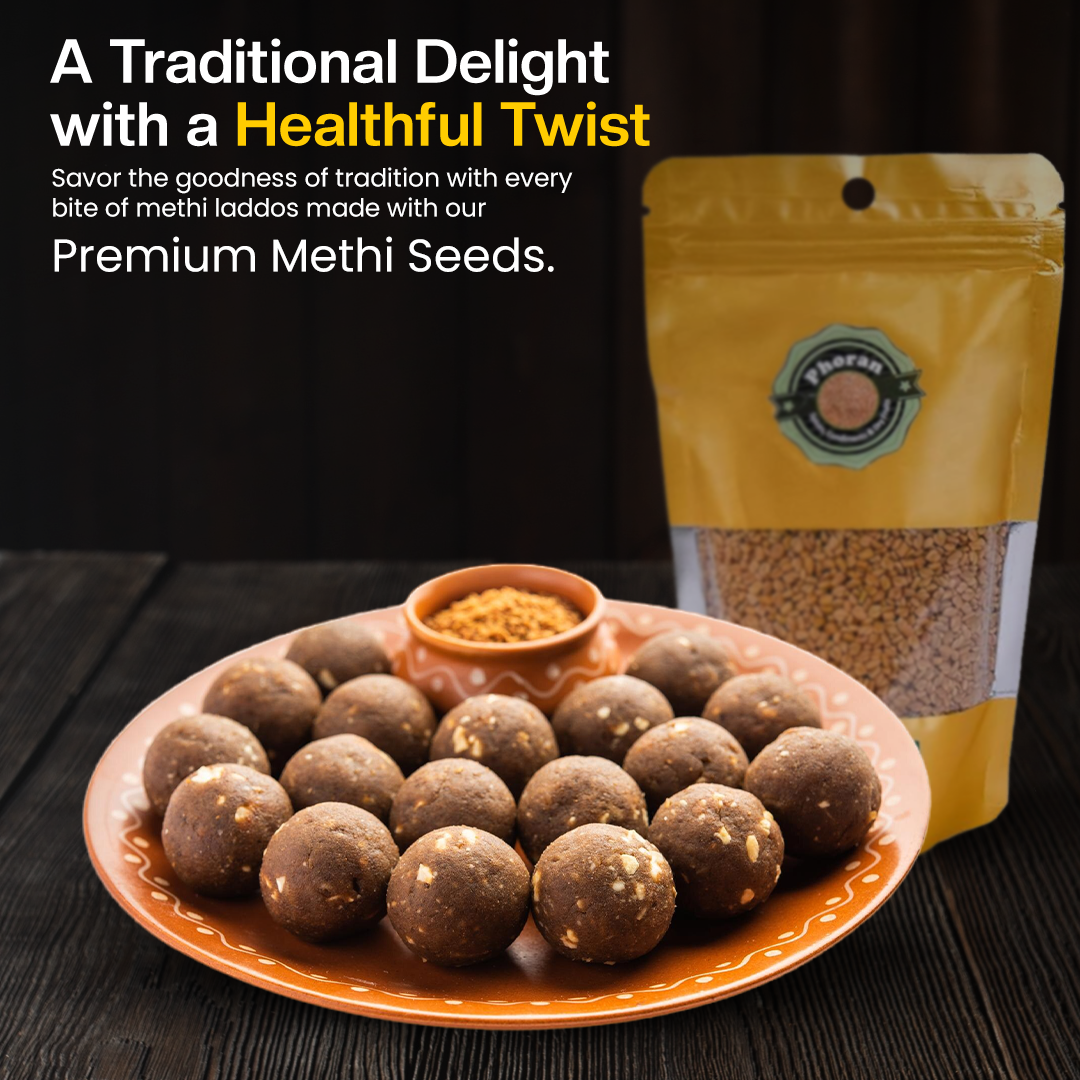
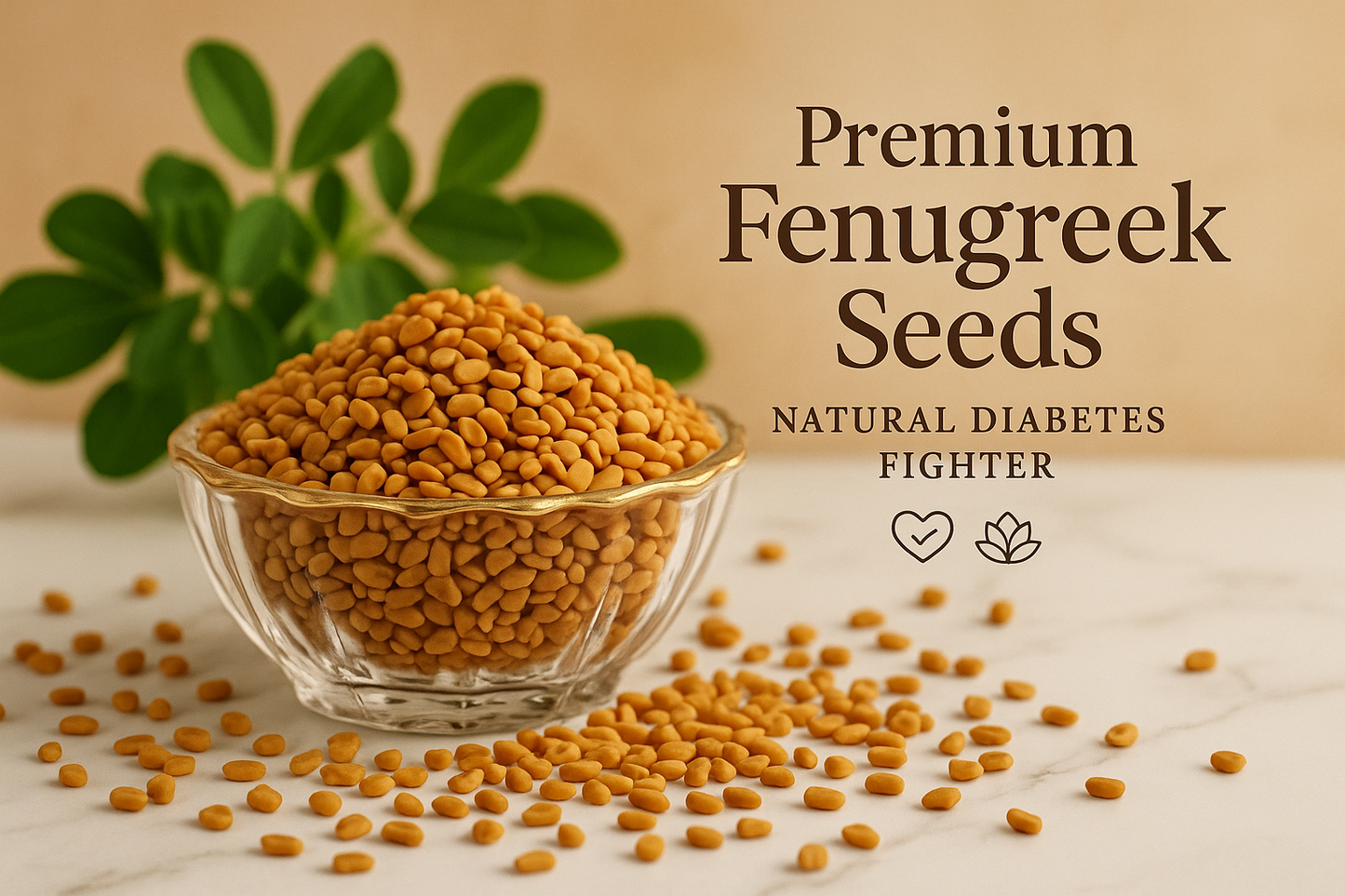
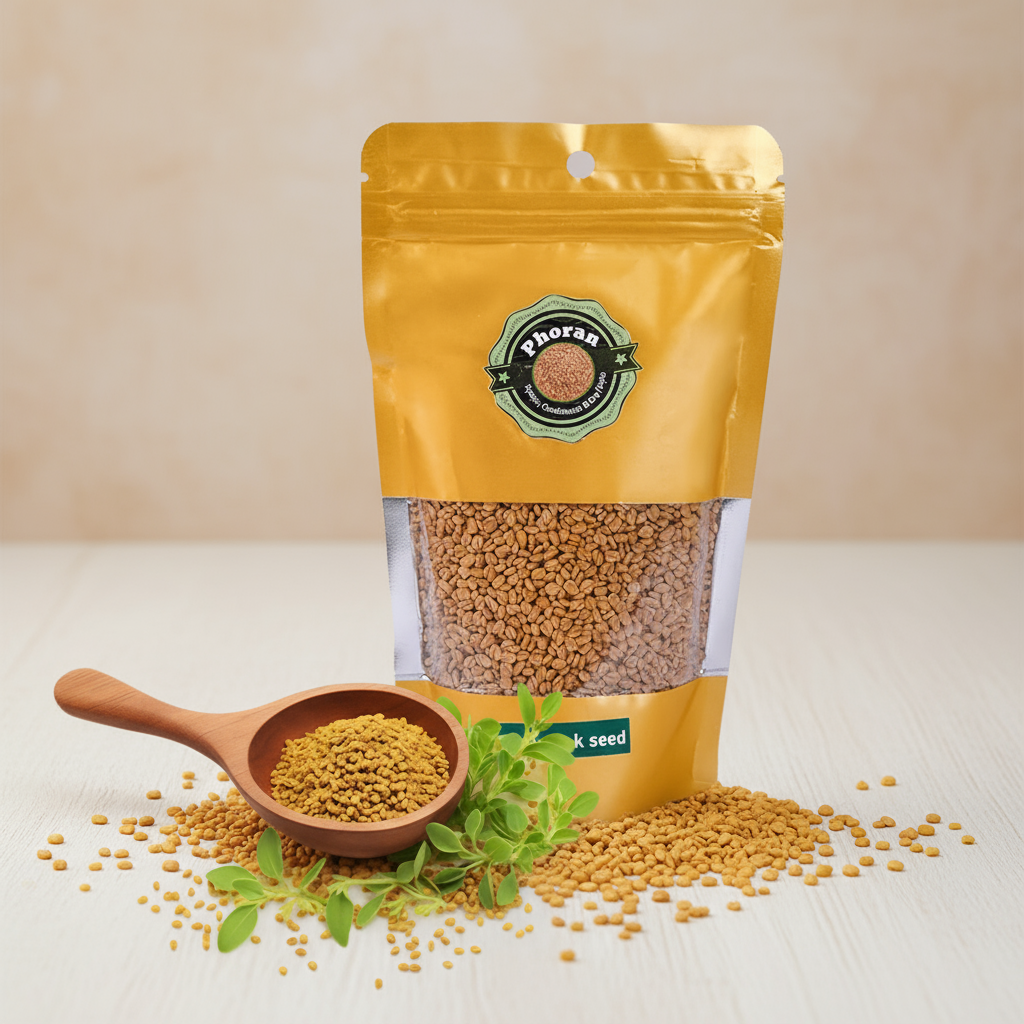
Methi seeds have one of the most distinctive flavour profiles in Indian cooking — slightly bitter, with a warm maple-like sweetness underneath that emerges during cooking. Used correctly, they add remarkable depth to dal, sambhar, and pickles. Used incorrectly (too many, or burnt), they make a dish unpleasantly bitter. Phoran's methi is sourced for bold aroma and clean, even seed size.
How to Use Methi Seeds Without Making Food Bitter
Use sparingly: Methi is potent — ¼ tsp is enough for a dal serving 4. More is rarely better.
Don't burn them: Add to hot oil and fry until reddish-brown (10–15 seconds max). Once dark brown they become acrid — start over if this happens.
Dal tadka and sambhar: Add at the start of tempering alongside mustard seeds
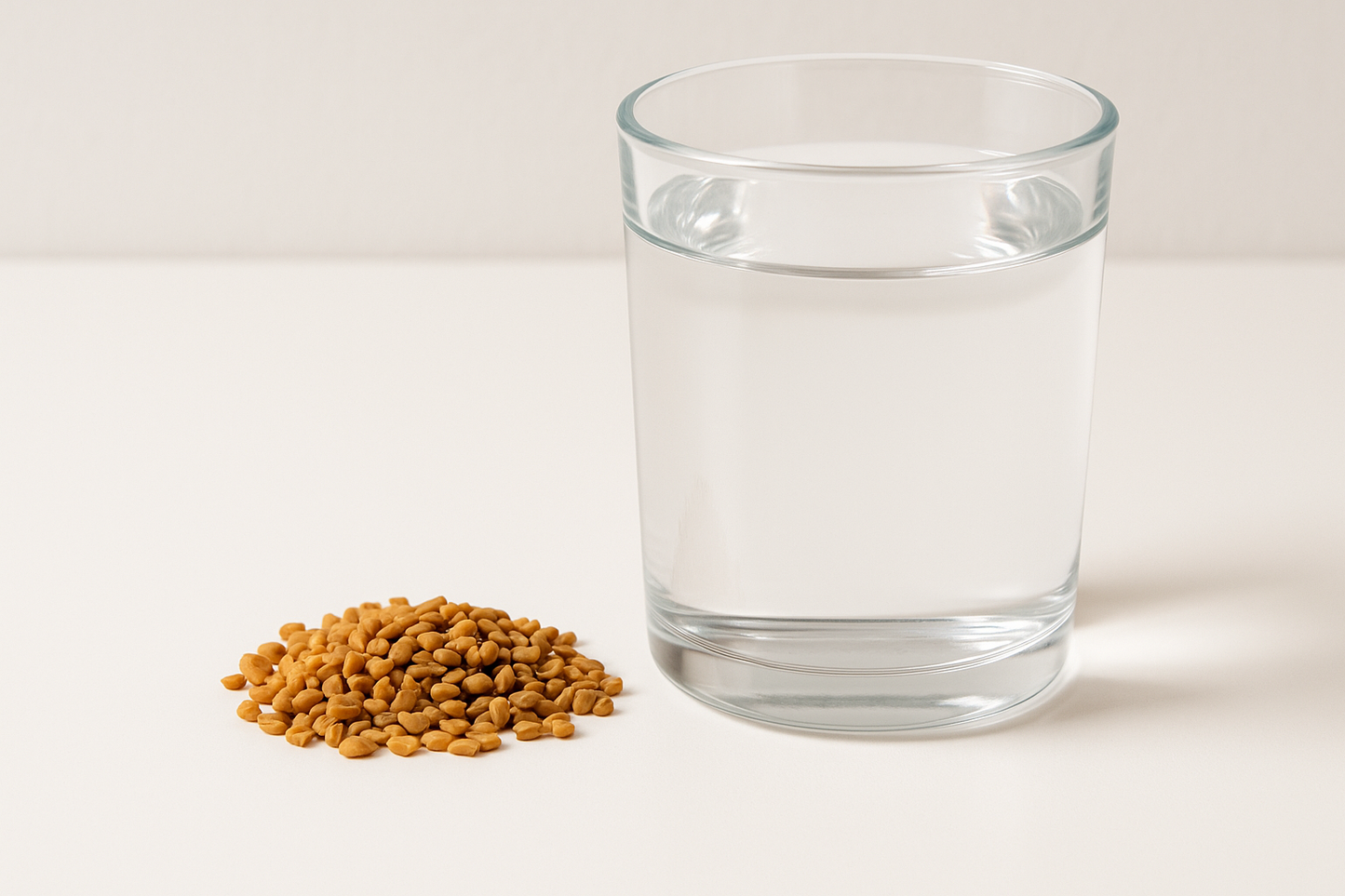
Methi paratha: Soak seeds for 2–3 hours, drain, and knead into dough for a subtly bitter, aromatic flatbread
Pickles (achaar): A key ingredient in mango and mixed vegetable pickle — adds bitterness that balances the oil and spice
Fish curry: Small amounts work beautifully in South Indian and Goan fish preparations
Whole Methi Seeds vs Kasuri Methi — What’s the Difference?
Whole methi seeds are used in tempering, pickling, and dough — they need cooking to develop their flavour. Kasuri methi (dried fenugreek leaves) is a finishing herb added at the end of cooking for a fresh, slightly bitter aroma. They come from the same plant but serve completely different culinary roles and are not interchangeable.